

Quick answer
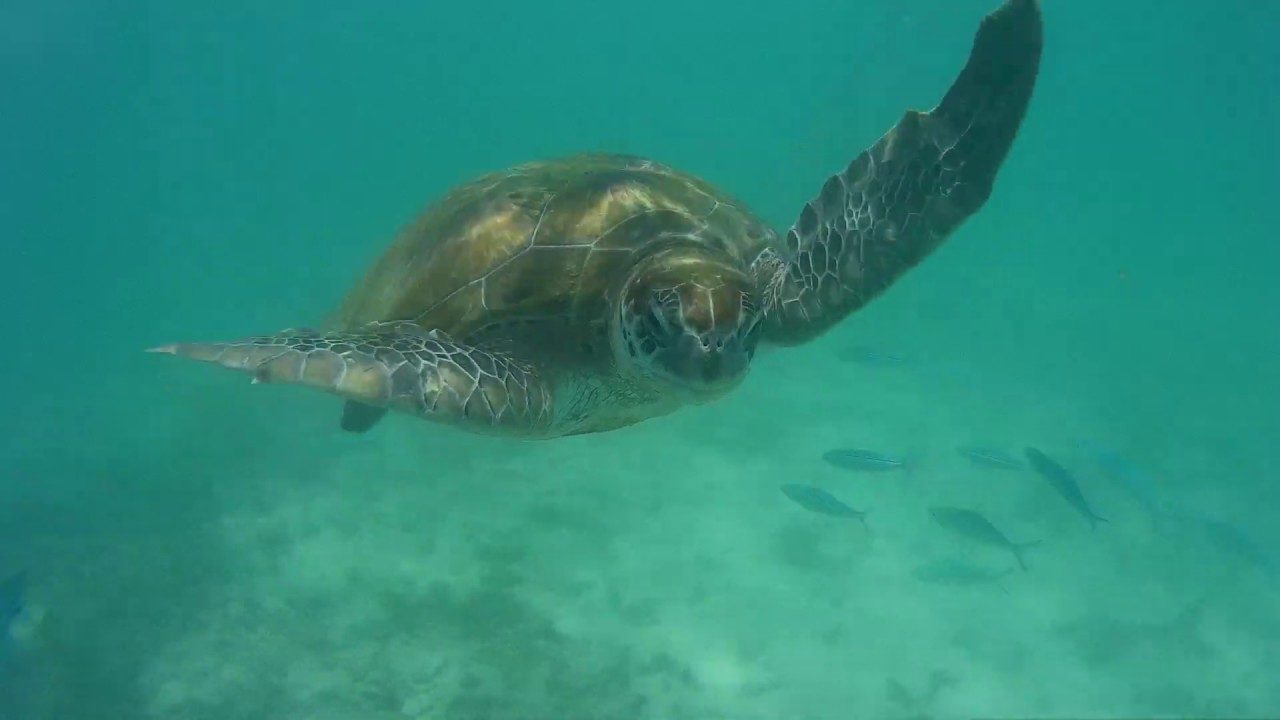
Mauritius snorkeling with turtles centers on Trou aux Biches Beach, where green turtles graze on seagrass beds within 50 meters of shore. Public beach access is free year-round, and the best arrival window is 07:00–10:00 for optimal water clarity and calm conditions before midday boat traffic increases. Boat excursions to offshore turtle feeding grounds charge separately and reach sites where hawksbill turtles also appear.
Green turtles return to the same shallow feeding zones each morning, and the west coast of Mauritius holds some of the Indian Ocean's most accessible encounters. Trou aux Biches Beach anchors the island's turtle-snorkeling corridor because seagrass beds grow close to shore and the reef structure creates a natural nursery where juvenile and adult turtles graze throughout the year. Unlike deeper dive sites that require certification, these bays allow swimmers of any skill level to observe turtles in their natural habitat with nothing more than a mask and fins. Water clarity peaks in the early morning when wind has not yet stirred sediment and the lagoon remains glassy. By mid-morning, onshore breezes and boat wakes reduce visibility, and the turtles often retreat to deeper patches of seagrass or rest under coral overhangs. The seven-to-ten window captures the day's calmest conditions and the highest turtle activity as they emerge to feed after dawn. Public beaches impose no entry fee, though snorkelers who prefer guided boat trips to offshore sites will pay separate excursion rates that vary by operator and distance traveled. Trou aux Biches sits on the northwest coast, where the barrier reef lies farther offshore than in the island's southern bays, creating a wide, shallow lagoon ideal for extended snorkeling sessions. The seagrass beds that draw turtles also support parrotfish, sergeant majors, and occasional stingrays, turning each outing into a broader survey of lagoon ecology. Snorkelers who arrive prepared with reef-safe sunscreen and a respect for minimum approach distances will find that turtles tolerate nearby observation as long as no one blocks their grazing paths or attempts direct contact. Seasonal patterns affect turtle density, with November through April bringing warmer water and higher concentrations of hatchlings near nesting beaches, though resident adult greens remain visible year-round at Trou aux Biches. The reef structure protects the lagoon from heavy swells even during the cyclone season, and the shallow depth means snorkelers can abort a session quickly if weather shifts. Mauritius snorkeling with turtles rewards patience over speed—turtles surface to breathe every five to ten minutes, and observers who hover quietly at the periphery often witness closer approaches than those who chase.
“Green turtles return to the same shallow feeding zones each morning, and the west coast of Mauritius holds some of the Indian Ocean's most accessible encounters.”
The Best Time for Mauritius Snorkeling With Turtles
The best arrival window for snorkeling with turtles at Trou aux Biches is 07:00–10:00. This period offers the highest water clarity, calmest sea conditions, and reduced boat traffic, which increases the likelihood of turtle sightings.
Summer (Nov–Apr)
Moderate to HighWarm, 26°C–30°C. Frequent sightings in calm lagoons.
Warm waters attract turtles to shallow seagrass beds. Visibility is generally high during these months.
Winter (May–Oct)
Low to ModerateCooler, 20°C–25°C. Lower humidity, occasional wind.
Sea conditions can be windier, but morning hours remain ideal for calm water. Turtles remain active in the area year-round.
Weekday Mornings
Minimal—
Arriving during the 07:00–10:00 window avoids weekend crowds. This maximizes quiet observation time before daily boat excursions increase water activity.
Verdict: For optimal conditions, plan your visit during the 07:00–10:00 window on a weekday, particularly in April or October when sea conditions are often at their calmest.
Getting to Trou aux Biches for Mauritius Snorkeling With Turtles
Trou aux Biches Beach is located on the northwestern coast of Mauritius. The most direct approach is via the B38 coastal road, which provides straightforward access to the public beach entry points.
Line 22 or 225 to Trou aux Biches stop
Route B38 (Coastal Road)
Direct to Trou aux Biches Beach
Admission Fees for Mauritius Snorkeling With Turtles
Access to public beaches where turtles are frequently sighted is entirely free of charge. Costs only apply if you choose to book private or group boat excursions to reach specific reef areas.
A typical visitor pays 0 MUR for beach access, though boat tour fees vary depending on the chosen excursion provider.
Daily Opening Hours for Mauritius Snorkeling With Turtles
Public beach access for snorkeling at Trou aux Biches is available daily throughout the year. While these locations remain open twenty-four hours a day, snorkeling activities should be limited to daylight hours for safety and visibility.
| Monday | 00:00–23:59 | Public beach access |
|---|---|---|
| Tuesday | 00:00–23:59 | Public beach access |
| Wednesday | 00:00–23:59 | Public beach access |
| Thursday | 00:00–23:59 | Public beach access |
| Friday | 00:00–23:59 | Public beach access |
| Saturday | 00:00–23:59 | Public beach access |
| Sunday | 00:00–23:59 | Public beach access |
Essential Tips for Mauritius Snorkeling With Turtles
Follow these practical guidelines to observe turtles responsibly while ensuring clear visibility in the lagoon.
Maintain a respectful distance
Keep at least three meters from turtles to prevent stress and ensure they remain in their natural feeding patterns. Avoid blocking their path to the surface for air or swimming directly above them.
Use reef-safe sunscreen
Choose mineral-based sun protection containing zinc oxide or titanium dioxide to prevent chemical damage to the coral ecosystems where turtles feed. Standard chemical sunscreens can harm the delicate marine life found in these lagoons.
Control your buoyancy
Maintain a horizontal swimming position to avoid accidental contact with the seabed or coral structures. If you need to adjust your gear, move to a sandy patch where you will not damage the reef.
Understand tidal influence
Check local tide charts, as low tide can make the water shallower and limit swimming access, while high tide often provides better movement across the reef. Tidal shifts significantly affect the visibility and current strength within the lagoon.
Proper gear selection
Use a properly fitted mask to prevent leaks and a snorkel with a splash guard to handle surface chop. A well-fitting pair of fins allows for more efficient movement with less effort, which helps you remain calm and stable while observing wildlife.
Check availability
Frequently asked questions about mauritius snorkeling with turtles
Everything you need to know about mauritius snorkeling with turtles