
Quick answer
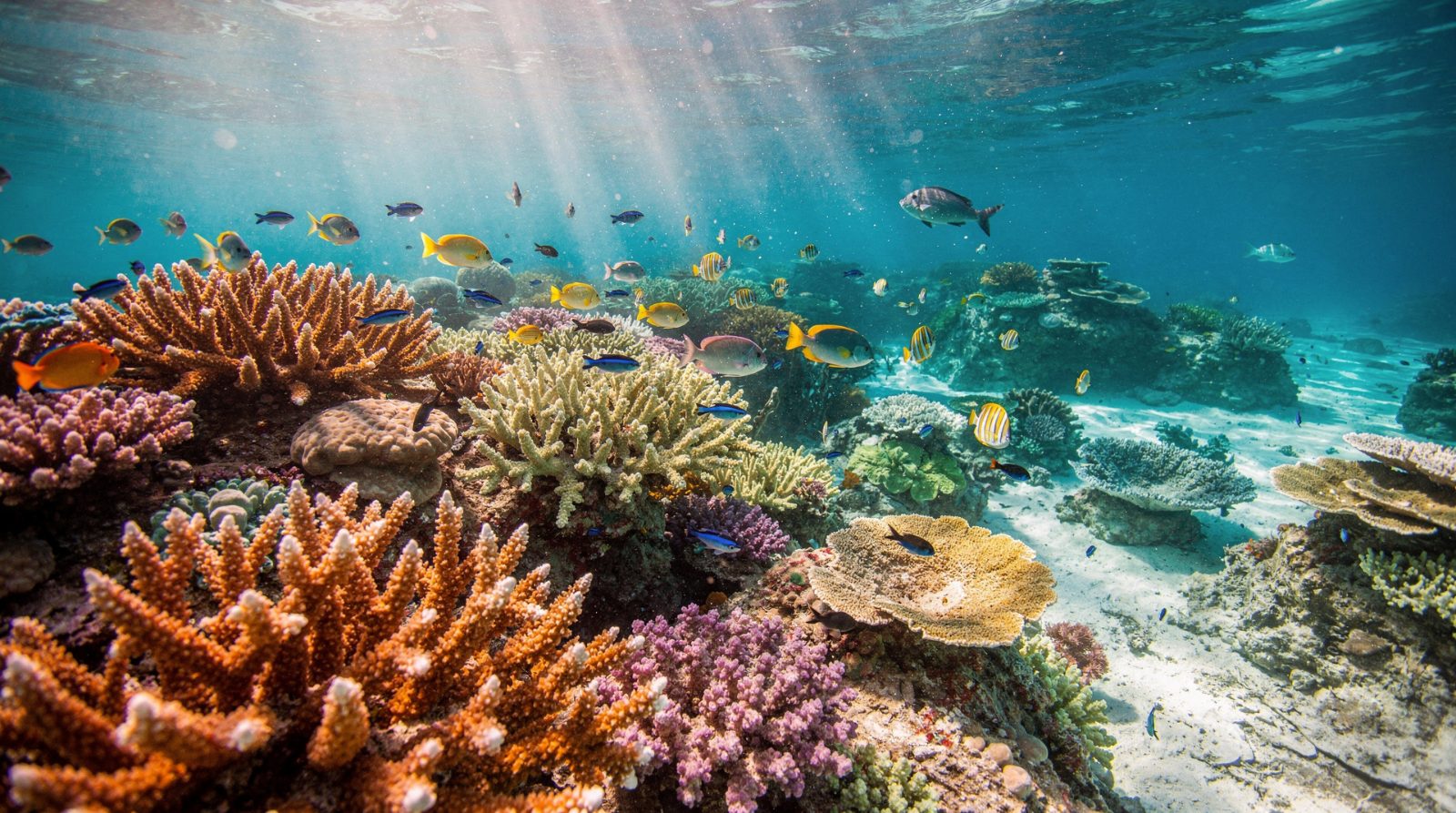
Blue Bay Marine Park on the southeast coast ranks as Mauritius' most accessible and biodiverse snorkeling destination, with marked underwater trails through coral gardens 2 to 5 meters deep. Public beaches across the island are free to enter year-round, though water clarity peaks during the dry season from May through November when southeast trade winds settle and lagoon silt stays minimal.
Blue Bay Marine Park protects 353 hectares of coral reef and seagrass meadows less than two kilometers offshore from Mahébourg, designated a marine protected area in 1997. The park's shallow lagoon bottom—rarely deeper than six meters—hosts over 50 hard coral species and resident schools of parrotfish, surgeonfish, and trumpet fish that congregate around the western reef edge. Glass-bottom boat operators run hourly shuttles from the public beach, though shore snorkeling from the sand provides identical reef access without cost. Trou aux Biches on the northwest coast offers a second protected snorkeling corridor where the barrier reef sits 300 meters from shore, creating a calm channel sheltered from open-ocean swell. The reef slope here descends gradually from one meter to twelve, letting snorkelers choose their depth comfort. Morning sessions before 11:00 avoid both the midday boat traffic and the onshore breeze that stirs lagoon sediment by afternoon. The public beach at Trou aux Biches includes shower facilities and a small parking area; no entrance fee applies. Flic en Flac's three-kilometer lagoon on the west coast provides the widest swim-out distance to living coral, with reef patches beginning 150 meters offshore and extending to the barrier reef 800 meters out. Visibility here fluctuates with tidal exchange—incoming tides flush clearer oceanic water into the lagoon, while outgoing tides can carry sediment from the shore. The northern end of Flic en Flac beach, near the Cascavelle shopping area, sees less boat activity than the central hotel zone, making it the preferred entry point for unguided snorkeling. Péreybère, a compact public beach north of Grand Baie, compresses its snorkeling area into a 200-meter rock-fringed cove where reef fish gather around submerged boulders and small coral bommies. The shallow depth—one to three meters at high tide—suits novice snorkelers and families, though the beach's popularity means crowding on weekends and Mauritian public holidays. Arriving by 08:00 secures both parking and unobstructed reef access before tour groups arrive mid-morning.
“Blue Bay's underwater trails thread through coral gardens 2 to 5 meters deep, with visibility exceeding 20 meters on windless mornings.”
The Best Time to Visit Mauritius Snorkeling Spots
The best arrival window for snorkeling in Mauritius is between 08:00–11:00. This period ensures higher water clarity and avoids the increased boat traffic that occurs later in the day.
Weekday mornings
Minimal—
Fewer visitors provide a quieter experience in the lagoon.
Midday
Heavy—
Boat traffic increases and water visibility can decrease near shore.
Early Arrival (08:00–11:00)
Low—
Water clarity is at its peak and boat traffic is lower before midday.
Verdict: For the best experience, aim to arrive during the 08:00–11:00 window to benefit from optimal visibility and fewer crowds.
Entrance Fees for Mauritius Snorkeling Spots
Access to public snorkeling spots in Mauritius is free of charge. Visitors do not require tickets to enter these coastal areas.
Adults pay 0 MUR for beach access, though optional boat tours to reach specific offshore reefs may incur separate costs.
Top Mauritius Snorkeling Spots: Blue Bay Marine Park
Blue Bay Marine Park serves as a protected sanctuary for diverse marine life, featuring shallow reefs and varied coral formations. It is a key site for observing the biodiversity within the lagoon ecosystem of Mauritius.
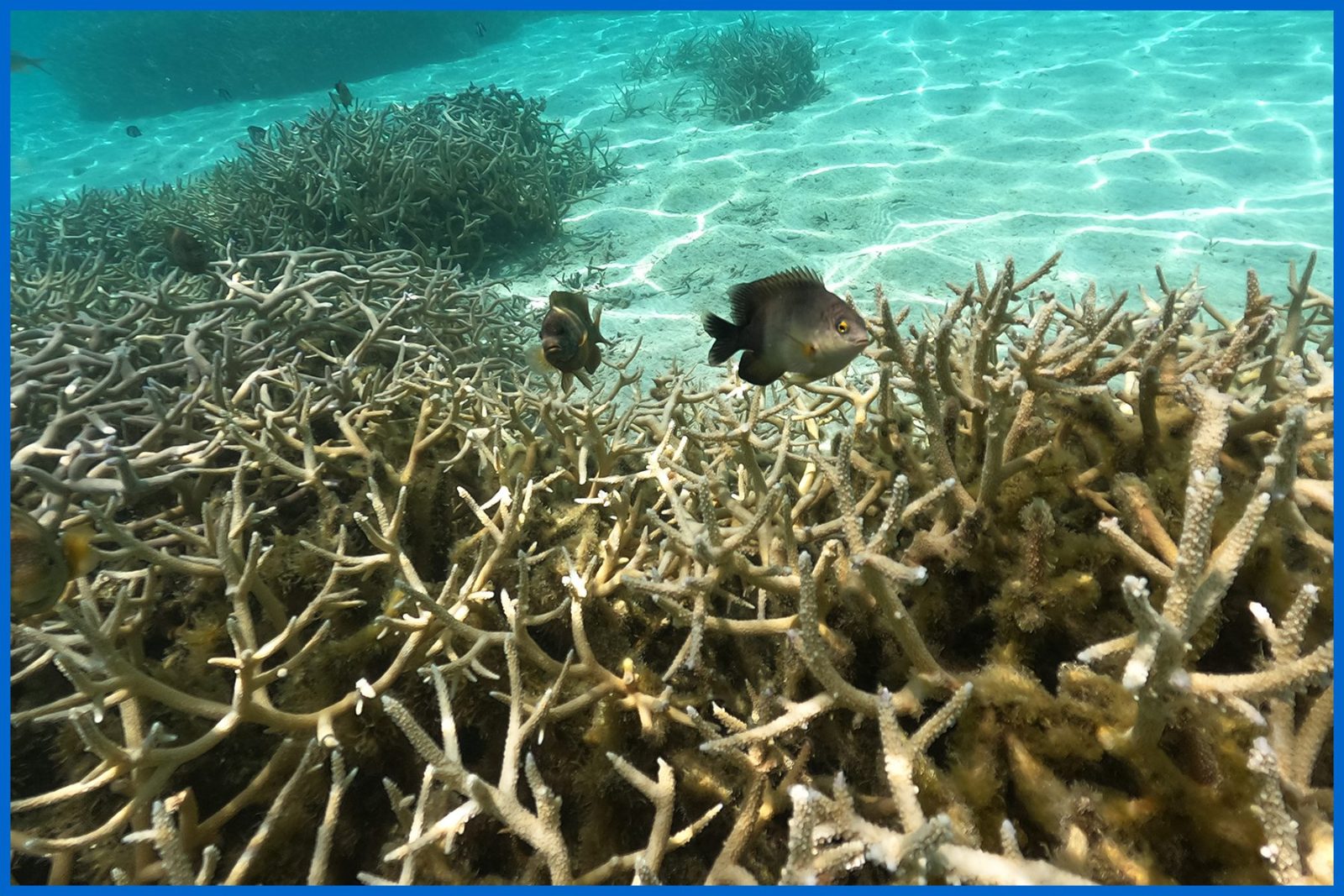
Coral Garden
The shallow depths allow for clear observation of branching Acropora and massive Porites corals. These formations provide habitat for numerous reef fish.
Swim slowly over the corals to spot camouflaged moray eels.
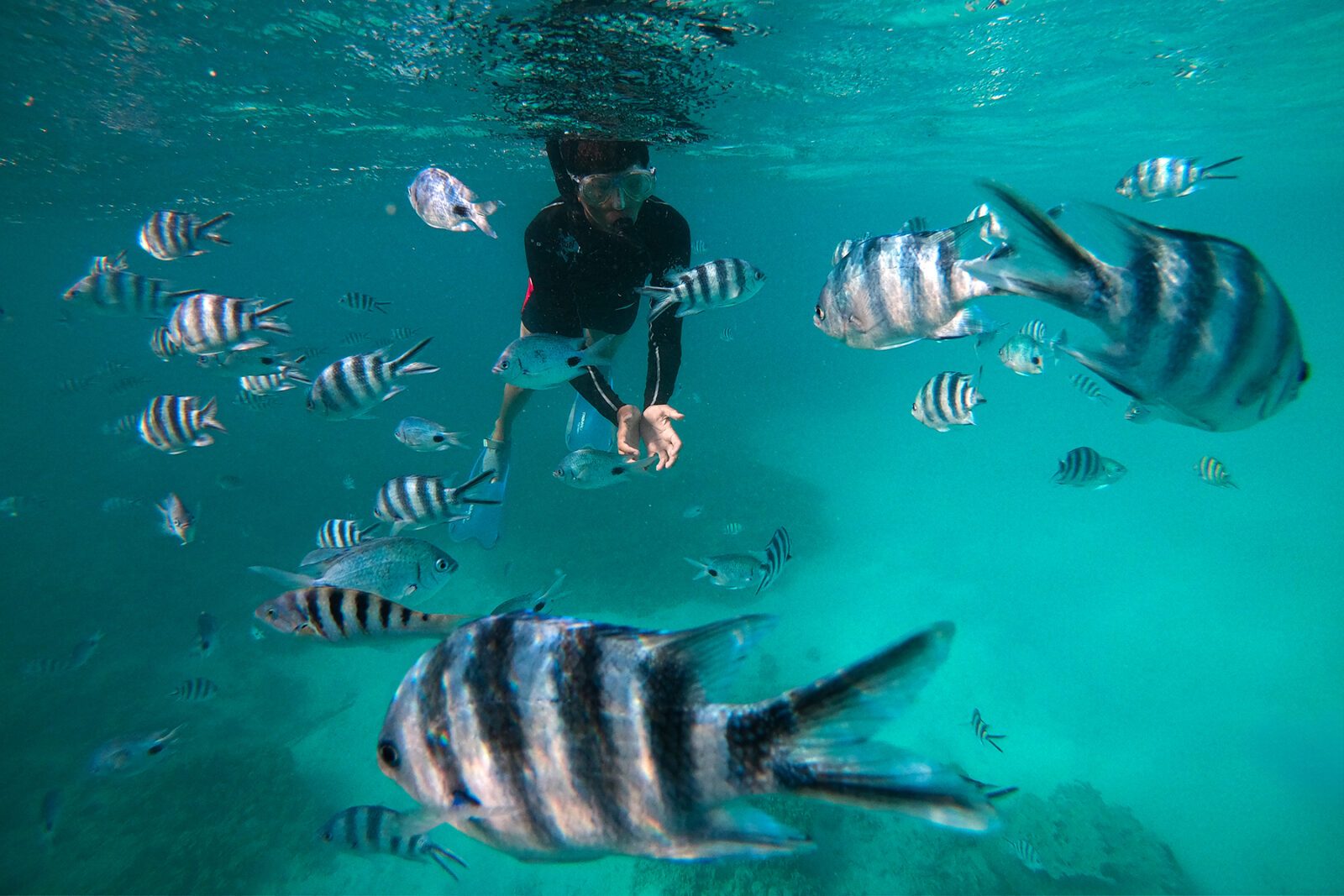
Marine Life Zone
This area hosts schools of damselfish, parrotfish, and butterflyfish that navigate between coral heads. The protected status ensures higher population density compared to non-regulated waters.
Keep distance from the seabed to avoid disturbing the marine life.
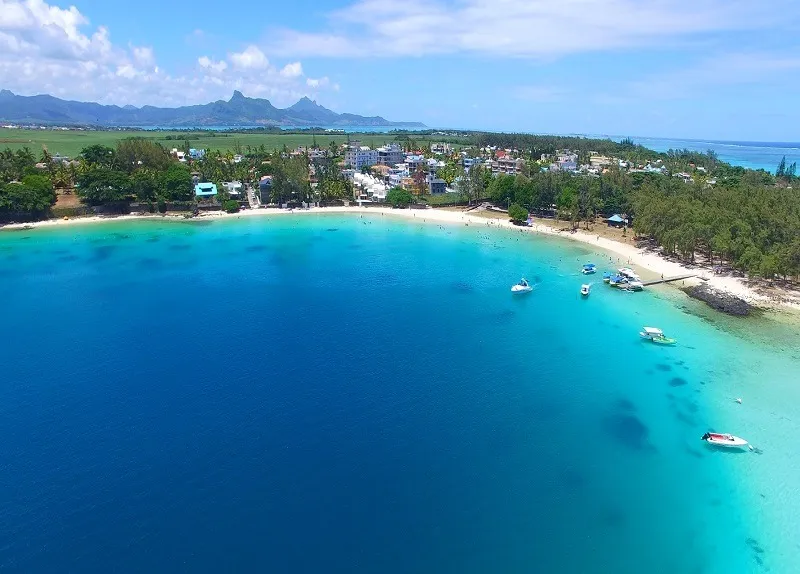
Crystal Lagoon
The sandy patches between coral outcrops create high-visibility zones where light penetrates to the ocean floor. This section is suited for spotting bottom-dwelling species.
Visit during the best arrival window for maximum water clarity.
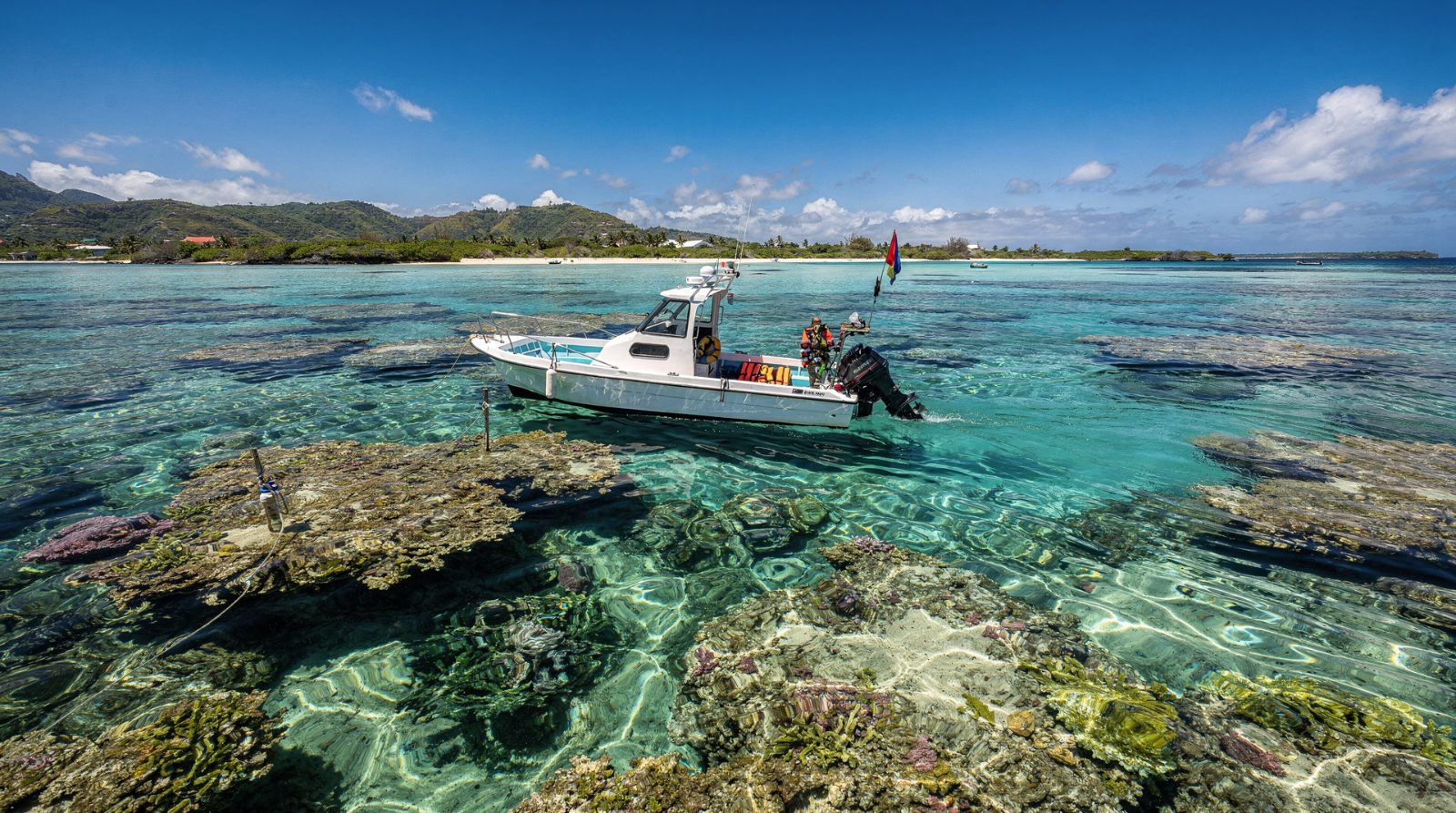
Sea Grass Beds
These vital zones support various organisms, including small crustaceans and occasional sea turtles. The grasses act as a nursery for juvenile fish species.
Observe the grass edges closely to identify small camouflaged creatures.
How to Get to Mauritius Snorkeling Spots
Blue Bay Marine Park is located on the southeastern coast of Mauritius. The most accessible ways to reach this area are by private taxi or the local bus network that serves the coastal villages.
Line 162 or 163 to Blue Bay Bus Station
Direct route via B8 road to Blue Bay
Drive via M2 and B8 road to Blue Bay
Checklist for Mauritius Snorkeling Spots
Pack smart to make the most of Mauritius's coral gardens and marine parks.
-
Bring reef-safe sunscreen — Chemical sunscreens damage coral; choose mineral-based formulas.
-
Pack your own mask and snorkel — Rental gear may not fit well or fog easily.
-
Wear water shoes or reef booties — Sharp coral and sea urchins are common on rocky entries.
-
Carry a waterproof bag — Protect phones, towels, and valuables from sand and spray.
-
Pack a rash guard or wetsuit — Provides sun protection and warmth in deeper water.
-
Bring drinking water and snacks — Public beaches lack vendors; stay hydrated between swims.
Check availability
Frequently asked questions about mauritius snorkeling spots
Everything you need to know about mauritius snorkeling spots