
Quick answer
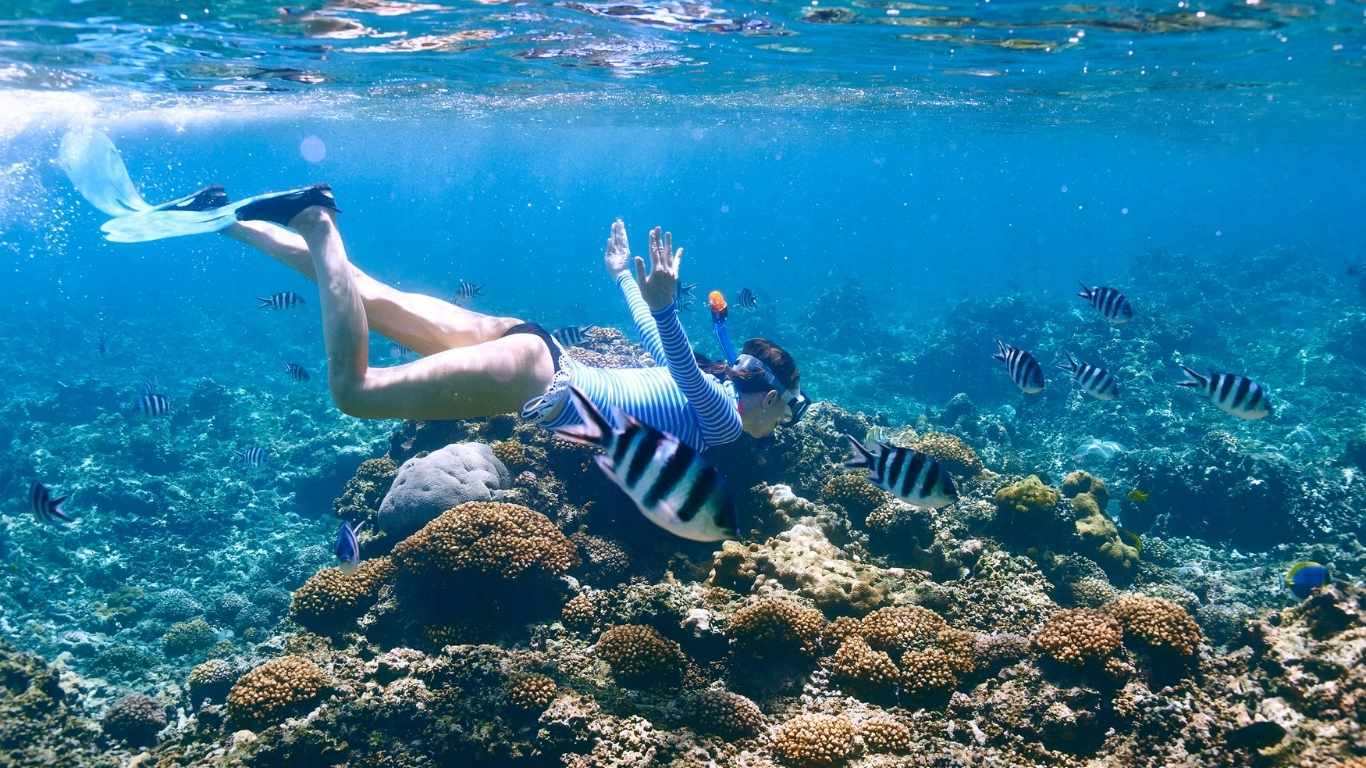
Mauritius is excellent for snorkeling, thanks to its protective barrier reef system that creates calm lagoons with visibility often exceeding 20 meters. The island's west and north coasts offer the most developed snorkeling sites, with coral gardens, tropical fish, and sea turtles common in protected marine parks. Water temperature stays between 23°C and 28°C year-round, and most public beaches allow free snorkeling access directly from shore.
The volcanic origins of Mauritius created a fringing reef structure that now shelters over 150 kilometers of coastline. That geological accident turned the island into one of the Indian Ocean's most accessible snorkeling destinations—no boat required for most sites, no extreme currents to fight, and water shallow enough that beginners can stand when needed. Snorkeling conditions in Mauritius divide cleanly by coast. The western shore from Flic-en-Flac to Tamarin offers the calmest water and the longest snorkeling season, with afternoon winds typically weaker than on the exposed east. The northern peninsula around Grand Baie and Pereybere delivers the densest concentration of sites within walking distance of accommodations. The east coast presents rougher seas and stronger currents, better suited to experienced snorkelers who can read ocean conditions. Blue Bay Marine Park on the southeast tip protects the island's most intact coral formations, with marked snorkeling zones and ranger patrols. Marine life here follows predictable lagoon ecology. Parrotfish, damselfish, and butterflyfish dominate the shallows. Octopuses hide in coral crevices during daylight hours. Green sea turtles graze on seagrass beds in the north, and moray eels occupy the reef gaps. The biodiversity isn't Caribbean-level dense, but the clarity and calm compensate—you'll see what's there without fighting surf or sediment. The practical reality: Mauritius snorkeling works because the infrastructure does. Public beach access is legally protected, most coastal hotels rent masks and fins, and lifeguard stations mark safe entry points. The lagoon depth rarely exceeds four meters within 100 meters of shore, and the sandy bottom between coral patches means you're never swimming over empty blue water. For travelers asking whether Mauritius suits snorkeling, the answer is that the island's reef geography removed most of the variables that make snorkeling difficult elsewhere.
“The barrier reef turned Mauritius into a natural snorkeling park—calm water, shallow depth, and shore access solved the access problem that limits most island destinations.”
When Is Mauritius Good for Snorkeling? Ideal Daily and Seasonal Timing
The optimal snorkeling conditions in Mauritius occur during the shoulder seasons when water clarity is highest and wind speeds are moderate. Regardless of the season, the best arrival window is 08:00–11:00 to capitalize on calm waters before afternoon thermal winds emerge.
October to December
Low to ModerateWarm, 24°C–29°C
Stable weather and clear water provide the most reliable visibility for reef exploration.
January to March
ModerateHumid, 25°C–30°C
Expect higher temperatures and occasional tropical rain, though water remains warm.
April to June
LowCooler, 22°C–26°C
This period offers calm seas and comfortable temperatures as the transition to winter occurs.
Daily Morning Window
Minimal—
Arriving between 08:00–11:00 ensures better water clarity and lower wind speeds before the afternoon.
Verdict: The best time for snorkeling is between October and December, specifically arriving between 08:00–11:00 to maximize visibility.
How to Get to Mauritius Snorkeling Sites
Mauritius snorkeling sites are located throughout the coastal regions of the island. Most public beaches are accessible by road via the island's primary coastal routes.
M2 Motorway to coastal B-roads
National Transport Corporation routes to coastal villages
Private hire to specific public beach access points
Where Is Mauritius Good for Snorkeling? Top Coastal Regions
Mauritius features diverse marine zones, ranging from protected shallow lagoons to outer reef slopes. These regions offer varied visibility and access to coral formations and reef fish.
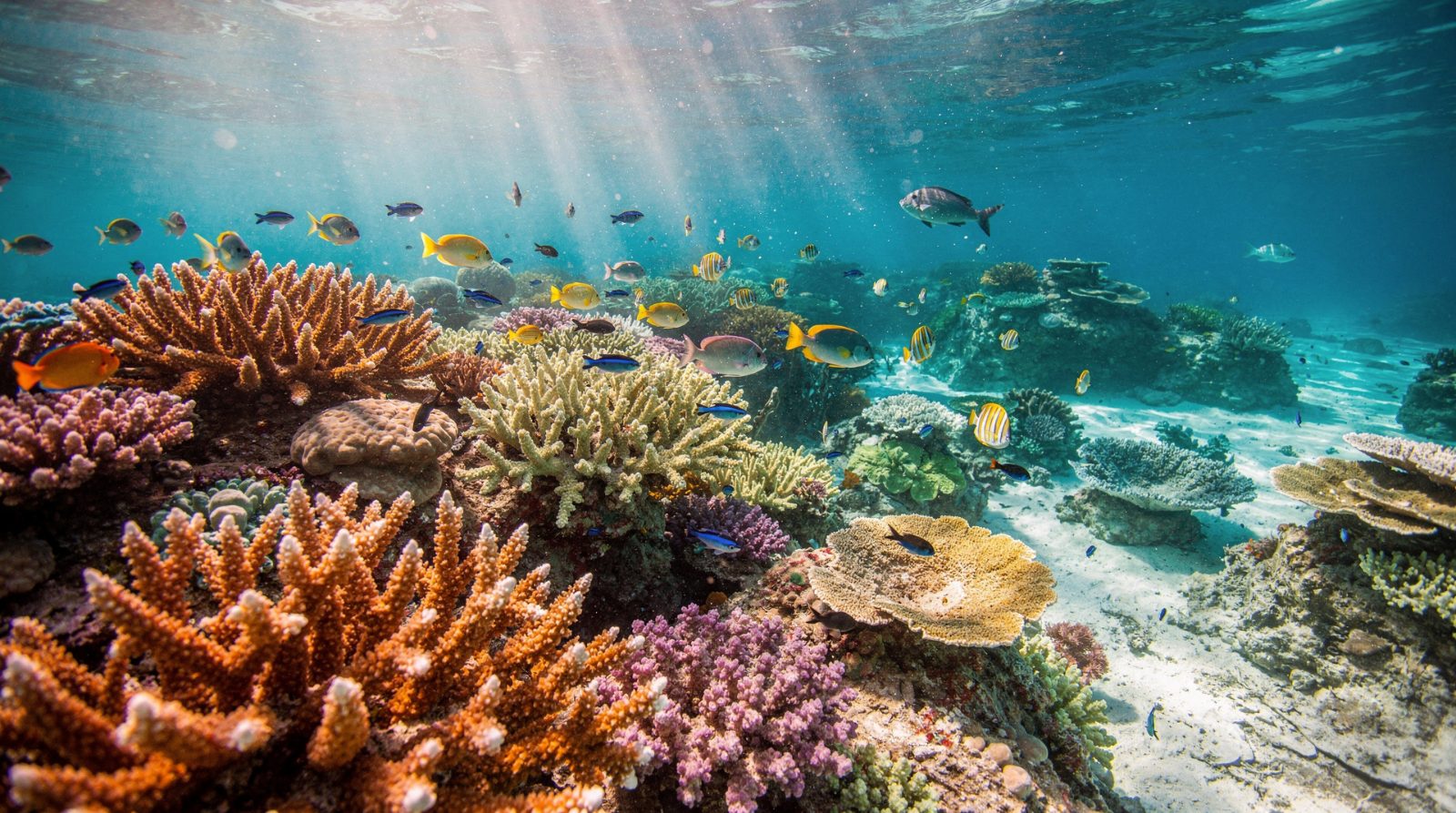
Blue Bay Marine Park
This protected area features a shallow, sandy-bottomed lagoon with high coral diversity and frequent sightings of parrotfish and damselfish.
Look near the central buoy area for the highest fish concentration.
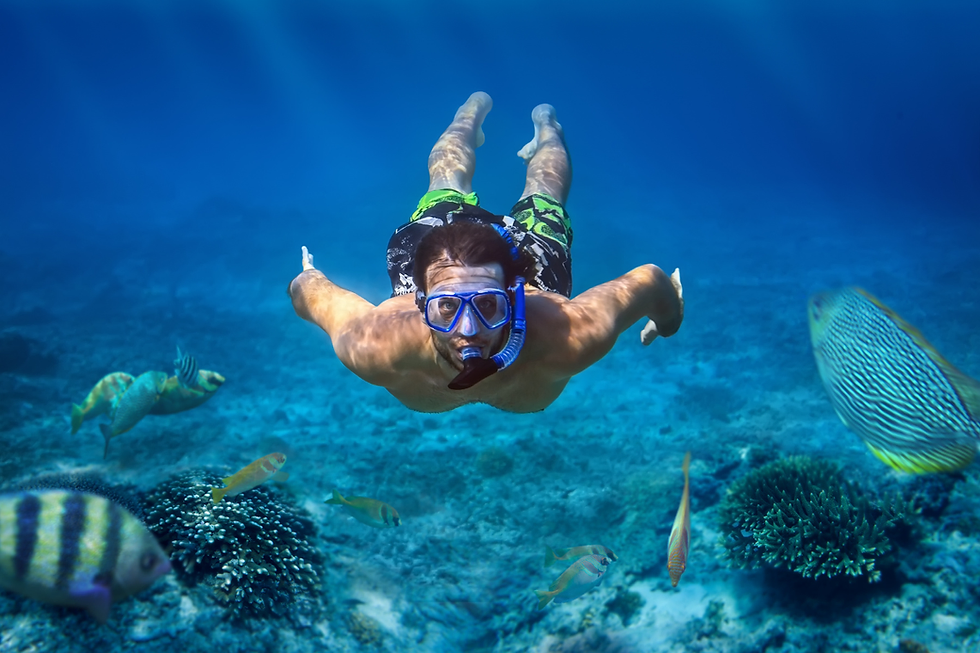
Flic-en-Flac
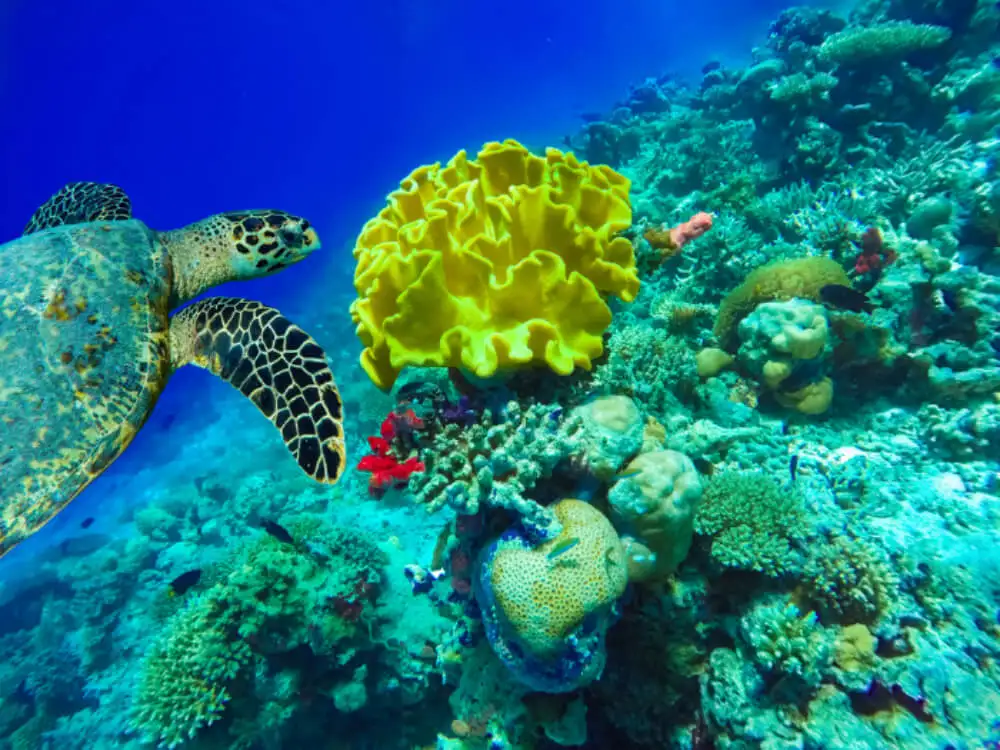
Located on the western coast, this site offers expansive reef flats that transition into deeper water populated by moray eels and trumpetfish.
Swim toward the outer reef edge during calm water conditions.
Trou aux Biches
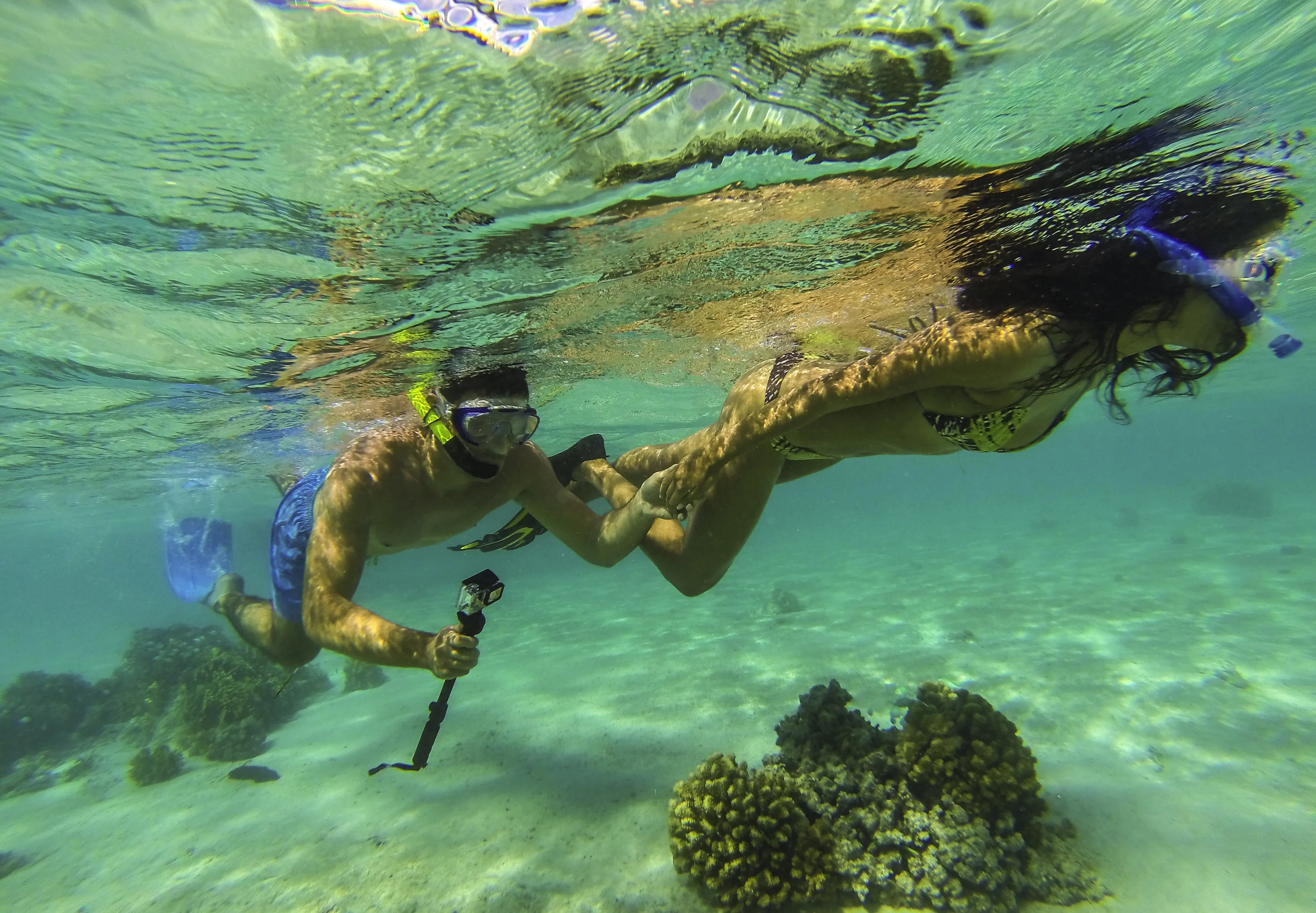
Known for its calm, sheltered waters, this region provides easy access to fringing reefs and sea turtle habitats.
Stay inside the lagoon to avoid strong currents near reef passes.
Ile aux Cerfs
This site provides access to clear, shallow waters surrounded by seagrass beds and sandy patches, attracting various starfish and juvenile reef species.
Explore the shallower northern channels at low tide for visibility.
Practical Tips for When Is Mauritius Good for Snorkeling
Follow these practical guidelines to ensure your snorkeling experience remains safe and respects the local marine environment.
Monitor tidal currents
Check local tide tables before entering the water, as outgoing tides can create strong drifts through reef passes. Avoid snorkeling near these breaks unless you are with a local guide who knows the flow patterns.
Use reef-safe sunscreen
Choose sunscreens free of oxybenzone and octinoxate to prevent chemical damage to coral polyps. Applying protective clothing like a rash guard reduces the need for lotions that wash off into the habitat.
Respect coral fragility
Avoid standing or resting on coral heads to prevent breaking these slow-growing organisms. Maintain neutral buoyancy and keep your fins away from the seafloor to ensure water clarity remains high for other observers.
Pack essential safety gear
Carry a high-visibility surface marker buoy if you plan to explore areas near boat channels. This makes your position clear to passing watercraft in active coastal regions.
Observe marine life behavior
Maintain a respectful distance from sea turtles and rays to avoid causing them stress. Feeding fish is discouraged as it alters natural foraging behaviors and disrupts the local food chain.
Mauritius Snorkeling Site Opening Hours
Public coastal regions in Mauritius are accessible for snorkeling at all times throughout the week.
| Monday | 00:00–23:59 | |
|---|---|---|
| Tuesday | 00:00–23:59 | |
| Wednesday | 00:00–23:59 | |
| Thursday | 00:00–23:59 | |
| Friday | 00:00–23:59 | |
| Saturday | 00:00–23:59 | |
| Sunday | 00:00–23:59 |
Check availability
Frequently asked questions about snorkeling in Mauritius
Everything you need to know about is mauritius good for snorkeling